Decrease your risk of COVID-19: Exercise!
April 10, 2020

Looking for a safe, inexpensive, proven way to decrease your risk of getting a viral illness (including coronavirus)? One simple answer is EXERCISE!
^2 Is Exercise Protective Against Influenza-Associated Mortality? by Wong et al in 2008 - this showed that mortality (death rate) for those who got influenza A and/or B was less for those who participated in low/moderate exercise. https://journals.plos.org/plosone/article?id=10.1371/journal.pone.0002108
^3 Exercise and Respiratory Tract Viral Infections by Martin et al in 2009 - this showed how physical activity affects the immune system and thus impacts our body’s response to viruses; prolonged intense exercise (such as marathon running) suppresses the immune system too much allowing viruses to take hold, whereas moderate exercise gently shifts the immune system to a pattern that can recognize the virus and contain it with less collateral damage to uninfected cells. https://www.ncbi.nlm.nih.gov/pmc/articles/PMC2803113/
The key is to stay active… but don’t overdo it. Moderate aerobic exercise such as brisk walking for 30 minutes a day 3-5 days a week has been shown in studies to decrease risk of catching a virus (possibly by up to 50%) ^1, and to decrease the illness if you do catch a virus ^2. This is because moderate exercise nudges the immune system into a pattern that is more effective to fight viruses, whereas prolonged intense exercise can suppress the immune system^3.
So, while we are practicing social distancing, let’s not be tempted to become couch potatoes chained to our TV, computer or gaming device. Remember the importance of getting up and moving! Schedule breaks to get up, stretch and walk, even if it’s just for 10 minutes 3 times a day. In addition to the immune benefits, a nice brisk walk (esp outdoors) can help relieve stress and be just good for the soul!
^1 Meditation or Exercise for Preventing Acute Respiratory Infection: A Randomized Controlled Trial
by Barrett et all (from the Dept of Family Medicine at U or WI Madison) in 2012 - this showed both moderate exercise and meditation significantly decrease risk of viral infection (by ~30-60%). http://www.annfammed.org/content/10/4/337.short
^2 Is Exercise Protective Against Influenza-Associated Mortality? by Wong et al in 2008 - this showed that mortality (death rate) for those who got influenza A and/or B was less for those who participated in low/moderate exercise. https://journals.plos.org/plosone/article?id=10.1371/journal.pone.0002108
^3 Exercise and Respiratory Tract Viral Infections by Martin et al in 2009 - this showed how physical activity affects the immune system and thus impacts our body’s response to viruses; prolonged intense exercise (such as marathon running) suppresses the immune system too much allowing viruses to take hold, whereas moderate exercise gently shifts the immune system to a pattern that can recognize the virus and contain it with less collateral damage to uninfected cells. https://www.ncbi.nlm.nih.gov/pmc/articles/PMC2803113/

Summer is one of the easiest, most delicious times of year to eat well. Our gardens and local farmers markets are always bursting with fresh, vibrant produce!
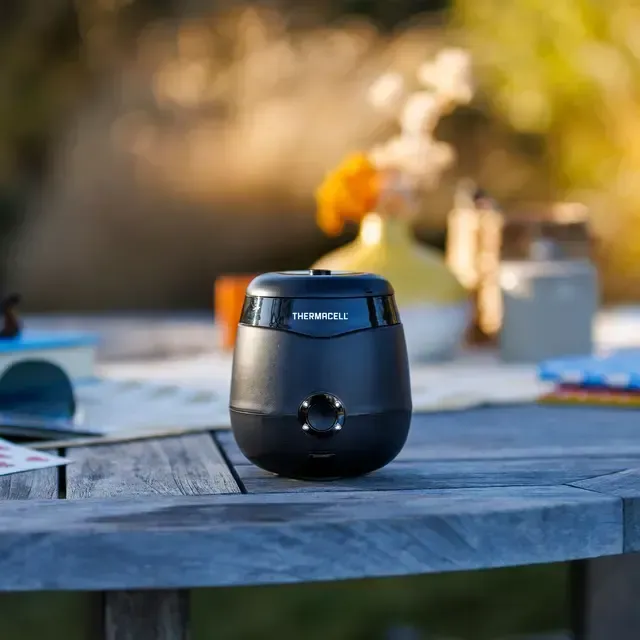
Thermacell is a highly effective device with relatively low-risk for occasional outdoor use.
Many people with chronic symptoms are told their labs are “normal,” yet they still feel unwell. One overlooked reason is excess fibrin , a sticky structural protein your body naturally makes to heal injuries. It’s what happens when too much fibrin builds up over time and/or when your body can't break it down fast enough. Think of fibrin like scaffolding In small amounts, fibrin helps healing In excess, it can: Form protective shells (biofilms) around bacteria or viruses Hide infections from antibiotics and the immune system Stiffen blood vessels Interfere with circulation and healing This can help explain why some infections or symptoms never fully go away . Why does fibrin build up? There are two main reasons: 1. Some people make too much fibrin This can be genetic or driven by chronic inflammation (infections, mold exposure, autoimmune conditions). 2. Some people don’t break fibrin down well Their bodies don’t activate the enzymes needed to dissolve excess fibrin. Many people have both problems at once. How this can affect health Excess fibrin has been linked to: Chronic or recurrent infections Long COVID symptoms Brain inflammation (PANS/PANDAS) Fatigue and pain syndromes Pregnancy loss Heart and blood vessel disease Importantly, standard clotting tests often don’t detect this because they’re designed for emergencies, not slow buildup over years. Why treatment must be gentle and personalized Breaking down fibrin too quickly can: Release trapped toxins or microbes Increase inflammation temporarily Make symptoms flare That’s why the goal is balance , not “thinning the blood.” When done correctly, fibrin support: Helps the immune system see hidden infections Improves response to other treatments Supports long-term healing rather than short-term suppression Key Takeaway If you’ve tried “everything” and still feel stuck, the issue may not be what you’re treating - rather w hat’s been blocking your body from clearing it. Excess fibrin may be that missing piece. Action Plan If you think this may apply to you: Request the Hypercoag Reflexive3 Panel (Labcorp Test Code: 505443) Set up an appointment with your provider to discuss the results. Resources for Further Information: https://www.betterhealthguy.com/episode207 https://canadarna.com/products/boluoke-lumbrokinase Episode #207: Hypercoagulation with Ruth Kriz, MSN, APRN - BetterHealthGuy.com After nearly thirty years since the start of a serious chronic illness, BetterHealthGuy.com chronicles my journey through and recovery from Lyme Disease, mold illness, and the myriad of issues chro...