Nourishing Seasonal Summer Eats
Taking Advantage of Your Garden & Local Farmers Market By Chelsi Webster, PhD, RDN, CD
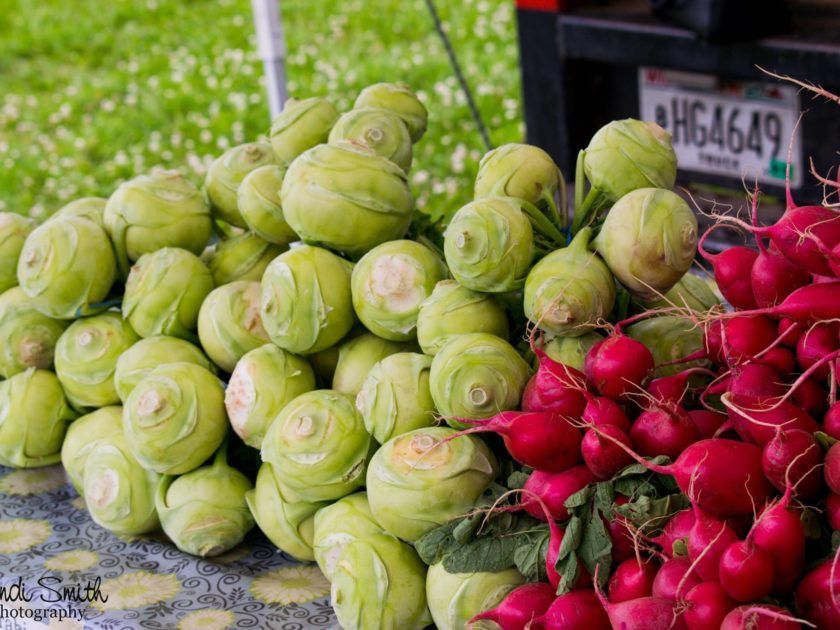
Summer is one of the easiest, most delicious times of year to eat well. Here in the Chippewa Valley, our gardens and local farmers markets are bursting with fresh, vibrant produce from June through October, and the Thursday market at Riverfront Park in downtown Chippewa Falls is a great place to stock your kitchen with the good stuff.
As your registered dietitian at Spero Wellness, I encourage you to take advantage of what is growing right in your own backyard — literally. Eating locally and seasonally means getting produce at peak nutrition, supporting neighbors and local farmers, and naturally building meals around whole, minimally processed foods. That's a win for your body, community, and taste buds.
Below are five simple, nourishing recipes built around what is seasonal in Wisconsin right now. Most ingredients you can grow yourself or find at the Chippewa Falls Farmers Market every Thursday from noon to 6 p.m. at Riverfront Park.
What's In Season?
Here's a quick reference for what to look for at the market or harvest from your garden through the summer months:
- June: Strawberries, peas, spinach, beets, radishes, fresh herbs
- July: Blueberries, raspberries, cucumbers, summer squash, zucchini, carrots, broccoli, green beans, sweet corn (early varieties)
- August: Tomatoes, peppers, eggplant, sweet corn, melons, and more
Also look for locally produced honey, maple syrup, mushrooms, and pasture-raised meats at your market, which are wonderful additions to any of these recipes!
Recipe 1: Strawberry Spinach Salad with Honey-Balsamic Vinaigrette
Perfect for when strawberries are at their peak. Simple, beautiful, and ready in 10 minutes.
Why We Love These Ingredients
Strawberries are loaded with vitamin C and antioxidants that support immune function and reduce inflammation. Spinach delivers folate, magnesium, and iron, nutrients of concern for most of us. And local raw honey provides trace enzymes and antioxidants you won't find in processed sweeteners.
Ingredients (serves 4):
- 4 cups fresh spinach
- 1½ cups fresh strawberries, hulled and sliced
- ¼ cup red onion, thinly sliced
- ½ cup walnuts or pecans, roughly chopped
- 2 oz goat cheese or feta, crumbled (optional)
Honey-Balsamic Vinaigrette:
- 3 tbsp balsamic vinegar
- 1½ tbsp local honey
- 1 tsp Dijon mustard
- 3 tbsp extra-virgin olive oil
- Salt and pepper to taste
Directions:
- Whisk together vinegar, honey, mustard, salt, and pepper. Slowly drizzle in olive oil while whisking until emulsified.
- Arrange spinach on a platter or in a large bowl. Top with strawberries and red onion.
- Drizzle with dressing, then scatter nuts and cheese over the top. Serve immediately.
Tip: Add grilled chicken or a soft-boiled egg to make this a complete meal.
Recipe 2: Zucchini & Herb Frittata
When your garden zucchini plants hit their stride in July, this is your go-to recipe. Great for breakfast, lunch, or dinner.
Why We Love These Ingredients
Zucchini is hydrating, low in carbohydrates, and provides potassium and B vitamins. Eggs are a complete protein and one of the best food sources of choline, which supports brain health. Fresh herbs like basil and chives add flavor without sodium and bring in additional antioxidants.
Ingredients (serves 4–6):
- 2 medium zucchini, thinly sliced into rounds
- 6 large eggs
- ¼ cup whole milk or unsweetened almond milk
- ½ cup shredded mozzarella or Parmesan
- 2 tbsp fresh basil or chives, chopped
- 2 cloves garlic, minced
- 1 tbsp olive oil
- Salt and pepper to taste
Directions:
- Preheat oven to 375°F.
- Heat olive oil in an oven-safe skillet over medium heat. Add garlic and zucchini; cook 4–5 minutes until just softened.
- Whisk eggs with milk, half the cheese, herbs, salt, and pepper. Pour over the zucchini.
- Sprinkle remaining cheese on top. Cook on stovetop for 2 minutes, then transfer to oven.
- Bake 12–15 minutes until center is set and edges are lightly golden. Let cool slightly before slicing.
Tip: Swap or add whatever vegetables you have on hand — summer squash, peppers, and spinach all work beautifully.
Recipe 3: Cucumber, Dill, & White Bean Salad
A refreshing, protein-packed salad that comes together in minutes — no cooking required.
Why We Love These Ingredients
Cucumbers are over 95% water, making them one of the most hydrating foods you can eat, perfect for hot summer days. White beans provide plant-based protein and fiber that support gut health and steady blood sugar. Dill is a traditional digestive herb with anti-inflammatory properties.
Ingredients (serves 4):
- 2 large cucumbers, diced (no need to peel if skin is thin)
- 1 can (15 oz) white beans (cannellini or great northern), rinsed and drained
- ¼ cup red onion, finely diced
- 2 tbsp fresh dill, chopped
- 2 tbsp apple cider vinegar
- 2 tbsp olive oil
- 1 tsp honey
- Salt and pepper to taste
Directions:
- Combine cucumbers, white beans, red onion, and dill in a large bowl.
- Whisk together vinegar, olive oil, honey, salt, and pepper.
- Toss the salad with dressing. Taste and adjust seasoning.
- Chill for at least 15 minutes before serving to let flavors meld.
Tip: This keeps well in the fridge for up to three days, making it a great meal-prep option.
Recipe 4: Garden Tomato & Basil Pasta with Garlic Olive Oil
Late July through August is tomato season in Wisconsin, and there is truly nothing like a garden-fresh tomato. This pasta showcases them at their best.
Why We Love These Ingredients
Fresh tomatoes are rich in lycopene, a powerful antioxidant that supports cardiovascular and prostate health, and lycopene is actually better absorbed when tomatoes are slightly warmed and paired with healthy fat. Garlic supports immune function and healthy blood pressure, and fresh basil contains anti-inflammatory compounds and is a wonderful digestive herb.
Ingredients (serves 4):
- 12 oz pasta of your choice (whole wheat or chickpea pasta for added fiber and protein)
- 2 cups cherry or grape tomatoes, halved OR 2 large garden tomatoes, diced
- 4 cloves garlic, thinly sliced
- ¼ cup fresh basil leaves, torn
- ¼ cup extra virgin olive oil
- Pinch of red pepper flakes (optional)
- Salt and pepper to taste
- Parmesan for serving (optional)
Directions:
- Cook pasta according to package directions. Reserve ½ cup pasta water before draining.
- While pasta cooks, warm olive oil in a large skillet over medium-low heat. Add garlic and cook gently 2–3 minutes until fragrant but not browned.
- Add tomatoes and red pepper flakes. Cook 4–5 minutes, pressing tomatoes gently to release their juices.
- Add drained pasta and a splash of pasta water. Toss well to coat.
- Remove from heat, stir in fresh basil, and season to taste. Serve warm or at room temperature.
Tip: Add a can of beans or some grilled chicken to boost protein content.
Recipe 5: Wild Blueberry & Chia Overnight Oats
Blueberries come into season in Wisconsin in July. This easy no-cook breakfast sets you up for a great day.
Why We Love These Ingredients
Wisconsin blueberries are among the best in the world, and they’re nutritional powerhouses rich in flavonoids that protect brain health and reduce oxidative stress. Chia seeds provide omega-3 fatty acids, soluble fiber, and help stabilize blood sugar throughout the morning. Oats contain beta-glucan, a fiber that supports healthy cholesterol levels.
Ingredients (serves 2):
- 1 cup rolled oats
- 2 tbsp chia seeds
- 1½ cups unsweetened milk of your choice
- ½ cup plain Greek yogurt (optional, adds protein)
- 1 tbsp local honey or maple syrup
- ½ tsp vanilla extract
- ¾ cup fresh blueberries
Directions:
- Combine oats, chia seeds, milk, yogurt (if using), honey, and vanilla in a jar or container. Stir well.
- Top with half the blueberries. Cover and refrigerate overnight (or at least 4 hours).
- In the morning, give it a stir and add remaining fresh blueberries on top. Add a drizzle of honey, if desired.
Tip: Make a batch of 4–5 jars on Sunday for the whole week. Try raspberries, strawberries, or peaches as the season changes.
Visit the Chippewa Falls Farmers Market!
All the ingredients in these recipes can be found locally. The Chippewa Falls Farmers Market runs every Thursday from noon to 6 p.m. at Riverfront Park (13 S. Bridge Street) through mid-October. You’ll find fresh vegetables, fruits, honey, maple syrup, mushrooms, baked goods, meats, and more — all from local growers and makers.
If you’re gardening at home, this is the perfect time of year to harvest herbs, lettuce, peas, and early summer squash. Don’t have a garden yet? Many of your neighbors and local farms are happy to share the abundance — ask around!
A Note from Your Dietitian
Eating well doesn’t have to be complicated or expensive. When you build meals around what’s fresh, local, and in season, you’re naturally eating more whole foods, variety, and nutrients your body needs to thrive.
If you have questions about how to build a nutrition plan that works for your specific health goals, whether that’s blood sugar balance, gut health, heart health, or just feeling better day-to-day, our team at Spero Wellness is here to help. If you’d like to schedule a nutrition appointment, use this booking link so we can dig deeper: https://signup.faynutrition.com/book/chelsi-webster/06a94a
AI tools were used to assist with outlining and drafting. This article was reviewed, revised, and approved by Chelsi Webster, PhD, RDN, CD.