Bone Turnover Tests, Peptides, and Smarter Ways to Track Bone Health

Dr. Kristie Gering • April 20, 2026

Bone Turnover Tests, Peptides, and Smarter Ways to Track Bone Health

Most people think of bone health in terms of a single test: the DEXA scan. While DEXA is important, it only tells part of the story ; how much bone you have at one moment in time. It doesn’t explain why bone is being lost, whether bone is actively rebuilding, or whether a treatment plan is working.


At Spero Wellness Clinic, we take a more complete and proactive approach by combining bone turnover blood tests, advanced imaging, and in selected cases peptide therapy to better understand and support bone health.


Your Bones Are Living Tissue

Bone is not static. Every day, your body is constantly remodeling bone through two simultaneous processes:

  • Breaking down old bone
  • Building new bone

Healthy bones depend on balance between these processes. Bone thinning occurs when breakdown outpaces rebuilding even if calcium and vitamin D levels look “normal.”


Bone Turnover Markers: CTX and P1NP

To understand what your bones are doing right now, we often use two blood tests called bone turnover markers:

CTX – Bone Breakdown Marker

CTX measures how quickly bone is being broken down.

  • High CTX → bone is being broken down too fast
  • Normal or low CTX → breakdown is under control

When CTX is elevated, bone loss can occur even with adequate calcium and vitamin D. Contributors may include inflammation, oxidative stress, toxins, hormone changes, or medication effects.

P1NP – Bone Building Marker

P1NP measures how actively your body is building new bone.

  • High P1NP → strong bone formation
  • Low P1NP → sluggish bone building

Low P1NP is common with aging, menopause, oxidative stress, nutrient deficiencies, or mitochondrial stress.


Why We Often Check Both

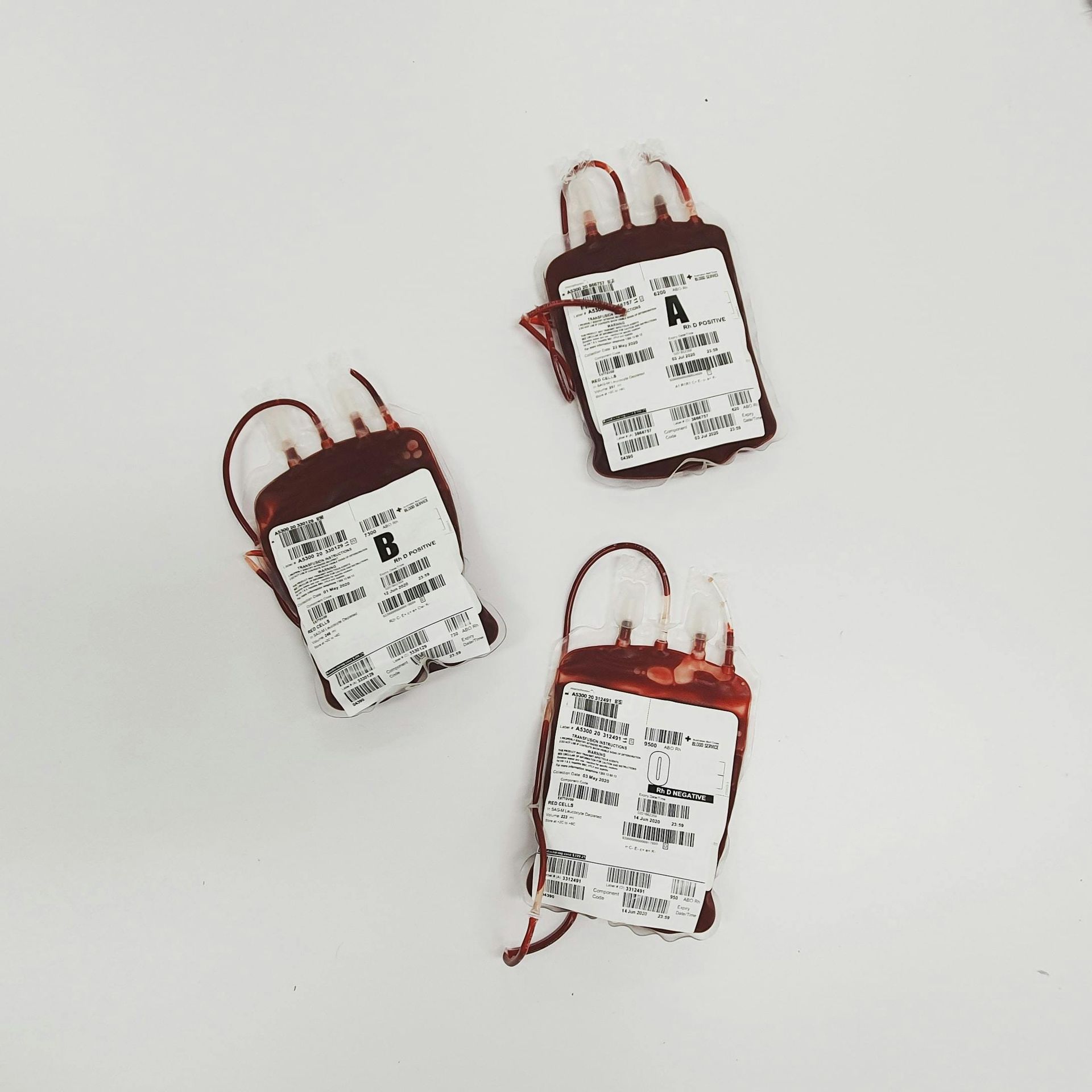
Looking at CTX and P1NP together helps us understand why bone density is changing; and whether treatment should focus more on slowing breakdown, improving bone formation, or both. These markers can also be repeated every 2–4 months, allowing us to monitor progress far sooner than a repeat DEXA scan


How Often Should Bone Tests Be Rechecked?

  • CTX and P1NP
  • Osteoporosis: every 3–4 months
  • Osteopenia: about every 6 months
  • Lower-risk patients: every 12 months
  • DEXA scan
  • Bone density images change slowly
  • A meaningful repeat usually requires 12 months minimum, and more realistically 18–24 months

This is why blood markers are so valuable, they show whether your plan is working long before a DEXA scan would change.


Peptide Therapy: A Supportive Tool (Not a Magic Bullet)

In selected patients, we may discuss peptide therapy as part of a broader bone-health plan. Peptides are naturally occurring signaling molecules in the body. They are not FDA-approved osteoporosis medications, but they can be used off-label in appropriate integrative settings. Three peptides sometimes considered for bone support include:


Osteogenic Growth Peptide (OGP)

OGP supports bone building by helping bone-forming cells work more effectively. It may be considered when bone formation is low, fracture healing is delayed, or bone loss is related to aging or steroid use.


AOD-9604

AOD-9604 is a fragment of growth hormone that does not raise growth hormone or IGF-1 levels. It may support metabolic balance, reduce oxidative stress, and help create a healthier environment for bone repair.


Ipamorelin

Ipamorelin gently stimulates your body’s own growth hormone pulses, similar to what happens during deep sleep. This may support bone formation, muscle strength, recovery, and balance in carefully selected patients.

It’s important to understand:

  • Peptides are supportive tools, not cures
  • Results are not guaranteed or predictable
  • Side effects can occur in certain situations
  • Careful selection, dosing, and monitoring matter


Peptides Work Best When the Foundation Is Strong

Bone health is multi-factorial. Peptides when used work best when combined with:

  • Adequate protein intake
  • Proper vitamin and mineral repletion (calcium, magnesium, vitamin D, K2)
  • Gut health optimization
  • Reduction of oxidative stress and inflammation
  • Identification and removal of toxic exposures
  • Mechanical loading (weights, resistance training, vibration platforms)
  • Hormone optimization when appropriate

Without these foundations, even advanced therapies are unlikely to succeed.


Imaging Beyond DEXA: Considering REMS

In addition to DEXA, some patients choose to obtain a REMS scan (Radiofrequency Echographic Multi-Spectrometry). REMS is a radiation-free ultrasound-based technology that evaluates bone density, bone quality, and structure, not just calcium content.


Because REMS does not use radiation, it can often be repeated every 3–6 months, making it a useful option for monitoring trends earlier in care. Several regional OsteoStrong and imaging centers now offer REMS testing, which may help identify bone changes sooner and guide earlier intervention.


Who Should Pay Extra Attention to Bone Health?

You may be at higher risk for bone thinning if you have:

  • Menopause or low estrogen/testosterone
  • Aging
  • Nutrient deficiencies
  • Inactivity or low body weight
  • Digestive or autoimmune conditions
  • Thyroid, kidney, or parathyroid disorders
  • Long-term steroid use (including inhalers)
  • Certain cancer treatments
  • A personal or family history of fractures

Early evaluation matters, bone loss is often silent until a fracture occurs.


The Bottom Line

Bone health is not a one-size-fits-all problem. By combining:

  • Bone turnover markers
  • Thoughtful imaging
  • Lifestyle and nutritional foundations
  • Carefully selected supportive therapies

we can better understand what your bones need now, rather than waiting years for problems to show up on a scan.


If you’re concerned about bone loss, fractures, or whether your current plan is truly working, we’re happy to help you take a closer look.

By Dr. Kristie Gering February 16, 2026
Many people with chronic symptoms are told their labs are “normal,” yet they still feel unwell. One overlooked reason is excess fibrin , a sticky structural protein your body naturally makes to heal injuries. It’s what happens when too much fibrin builds up over time and/or when your body can't break it down fast enough. Think of fibrin like scaffolding In small amounts, fibrin helps healing In excess, it can: Form protective shells (biofilms) around bacteria or viruses Hide infections from antibiotics and the immune system Stiffen blood vessels Interfere with circulation and healing This can help explain why some infections or symptoms never fully go away . Why does fibrin build up? There are two main reasons: 1. Some people make too much fibrin This can be genetic or driven by chronic inflammation (infections, mold exposure, autoimmune conditions). 2. Some people don’t break fibrin down well Their bodies don’t activate the enzymes needed to dissolve excess fibrin. Many people have both problems at once. How this can affect health Excess fibrin has been linked to: Chronic or recurrent infections Long COVID symptoms Brain inflammation (PANS/PANDAS) Fatigue and pain syndromes Pregnancy loss Heart and blood vessel disease Importantly, standard clotting tests often don’t detect this because they’re designed for emergencies, not slow buildup over years. Why treatment must be gentle and personalized Breaking down fibrin too quickly can: Release trapped toxins or microbes Increase inflammation temporarily Make symptoms flare That’s why the goal is balance , not “thinning the blood.” When done correctly, fibrin support: Helps the immune system see hidden infections Improves response to other treatments Supports long-term healing rather than short-term suppression Key Takeaway If you’ve tried “everything” and still feel stuck, the issue may not be what you’re treating - rather w hat’s been blocking your body from clearing it. Excess fibrin may be that missing piece. Action Plan If you think this may apply to you: Request the Hypercoag Reflexive3 Panel (Labcorp Test Code: 505443) Set up an appointment with your provider to discuss the results. Resources for Further Information: https://www.betterhealthguy.com/episode207 https://canadarna.com/products/boluoke-lumbrokinase Episode #207: Hypercoagulation with Ruth Kriz, MSN, APRN - BetterHealthGuy.com After nearly thirty years since the start of a serious chronic illness, BetterHealthGuy.com chronicles my journey through and recovery from Lyme Disease, mold illness, and the myriad of issues chro...
NAD Drip, Chippewa Falls
December 1, 2023
Want help to get ready for the holidays? Having difficulty adjusting to the time change? Consider an NAD Infusion. What are the benefits? NAD+ (nicotinamide adenine dinucleotide) is a coenzyme that powers metabolic processes and impacts a wide variety of systems including digestion, cognition, mental clarity, aging, and overall energy levels. ​ NAD+ increases our body’s levels of serotonin, a neurotransmitter associated with mood regulation, and can improve symptoms of depression and anxiety. NAD+ plays a role in cell health and in hundreds of cell functions such as DNA repair, circadian rhythm, metabolism, muscle function, tissue repair and cognitive function. Basically, our cells require NAD+ to quickly shuttle around electrons - keeping the cells buzzing with the electricity of life! ​ Who is it for? NAD+ is the premier IV drip for clients who want to see major improvements in brain function, energy level, overcome anxiety and depression, handle acute and chronic stress more effectively, and cope better with PTSD. ​ What's inside? We administer 250mg or 500 mg of NAD+ in an IV drip. (We always start with 250mg the very first time you try it.) ​ How often? For best results, NAD+ may need several sessions depending on personal needs. The number of sessions will be discussed during an initial encounter. The NAD+ IV drip does take longer to receive than any other IV drip. Each session may last from 2.5 to 4 hours, depending on the tolerance. During the infusion, an individual might feel a bit of discomfort compared to standard vitamin drips - described as a bit of a rush through the body, but this is completely normal and can be controlled by how fast the IV is set to drip and stops within a minute or two after the drip ends. ​ Our NAD+ drip can be followed by Glutathione -"Master Antioxidant " - for best results. Fall 2023 Special - 250mg is $250 and 500mg is $350. Glutathione 1g added on after the infusion is $35.00.
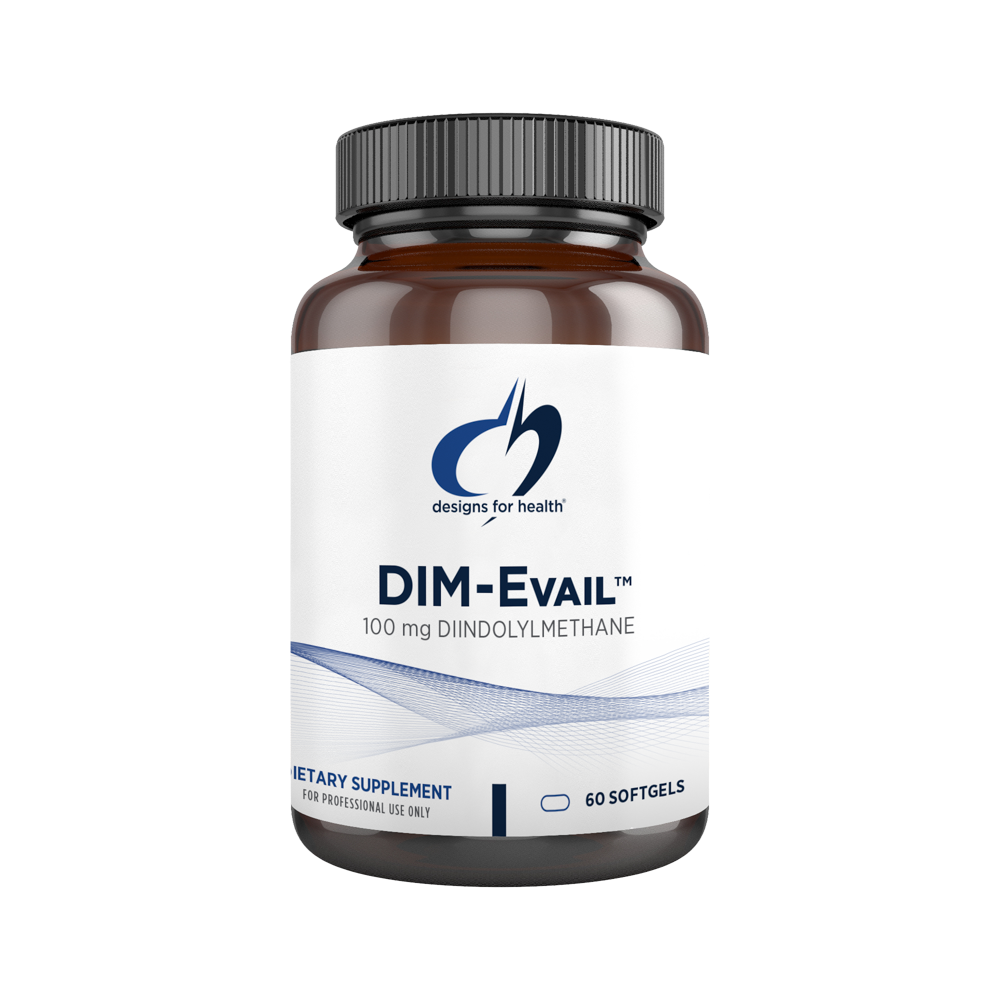
DIM Evail
October 30, 2023
Unfortunately, most of us know someone who has been affected by breast cancer. As of January 2022, here are some key facts about the prevalence of breast cancer in the United States: Common Cancer in Women: Breast cancer is the most common cancer among American women, aside from skin cancer. Incidence: In 2021, it was estimated that there would be over 281,000 new cases of invasive breast cancer in the United States. Additionally, there would be around 49,290 new cases of non-invasive breast cancer. Lifetime Risk: The American Cancer Society estimates that the lifetime risk of a woman developing breast cancer is about 13%, or 1 in 8. Mortality: In 2021, it was projected that approximately 43,600 women in the United States would die from breast cancer. Age and Breast Cancer: The risk of developing breast cancer increases with age. Most breast cancer cases are diagnosed in women aged 55 and older. Race and Ethnicity: Breast cancer incidence and mortality rates vary by race and ethnicity. White and African American women have the highest incidence rates, while African American women have a higher mortality rate. Screening and Early Detection: Mammography, thermography and regular breast self-exams are important tools for early detection. The earlier breast cancer is detected, the more treatment options are available, and the better the chances of survival. Survival Rates: Survival rates for breast cancer have been improving over the years, in part due to early detection and advances in treatment. The 5-year relative survival rate for localized breast cancer is close to 100%. Genetic Factors: Some individuals, particularly those with a family history of breast cancer or certain genetic mutations (e.g., BRCA1 and BRCA2), have a higher risk of developing breast cancer. Preventive Measures: Lifestyle factors such as maintaining a healthy weight, regular physical activity, limited alcohol consumption, and avoiding smoking are associated with a reduced risk of developing breast cancer. As mentioned above, the BRCA gene mutation is associated with a significantly increased risk of developing breast and ovarian cancer. For those who carry this genetic mutation, the need for effective preventive measures and early detection strategies is of paramount importance. Recent research has shed light on the potential role of DIM, a natural compound found in cruciferous vegetables, in this context. ​ Diindolylmethane is a bioactive compound that has garnered attention for its health-promoting properties, particularly in cancer prevention. Our growing understanding of DIM's mechanisms and its impact on individuals with the BRCA gene mutation has opened new avenues of exploration. Here are some key aspects of how DIM could potentially benefit healthy BRCA gene carriers: Modulation of Estrogen Metabolism: DIM has been shown to influence the metabolism of estrogen, a hormone that plays a crucial role in breast cancer development. By favoring the production of a less potent and potentially less harmful form of estrogen, DIM may help reduce the cancer-promoting effects of this hormone. Regulation of BRCA Gene Expression: Emerging research suggests that DIM might influence the expression of the BRCA genes themselves. This could have a significant impact on the way these genes function and interact with cancer development pathways. Reduction of Breast Density: High breast density is associated with an increased risk of breast cancer and can also make it more challenging to detect tumors via traditional screening methods. Preliminary studies indicate that DIM may contribute to a decrease in breast density, potentially improving the effectiveness of breast cancer screening for BRCA gene carriers. There's a study that utilized DFH's DIM-Evail formula at the time. It has since been reformulated to be even more bioavailable! Pretty cool information and definitely a step in the right direction! ​ This study investigated the effect of DIM supplementation on breast density, a recognized predictive factor of breast cancer risk. Participants were 23 healthy female BRCA carriers, with the majority being post-menopausal. They were treated with oral DIM 100 mg × 1/day for 1 year. The amount of fibroglandular tissue (FGT) and background parenchymal enhancement (BPE) on magnetic resonance imaging (MRI) performed before and after the intervention was scored by two independent expert radiologists using the Breast Imaging and Reporting Data System. The results showed a decrease in the average score for FGT with no significant change in BPE. A group of DIM-untreated (age and menopausal status matched women) from the BRCA clinic did not show a significant change in FGT amount in a parallel year. . In conclusion, 1 year’s supplementation with DIM 100 mg × 1/day in BRCA carriers was associated with a significant decline in FGT amount on MRI. Interestingly, besides certain gene mutations, there are many other variables that have been shown to increase the risk for breast cancer. These include: · Mold Toxicity/Exposure · Radiation Exposure · Breast Implants · Heavy Metals (Including Amalgam Fillings) · Dental Infections · Toxins such as BPA, PFAS/PFOAs · Phthalates